System Architecture
•
API Gateway for AI Agents
AI Agents in Actions
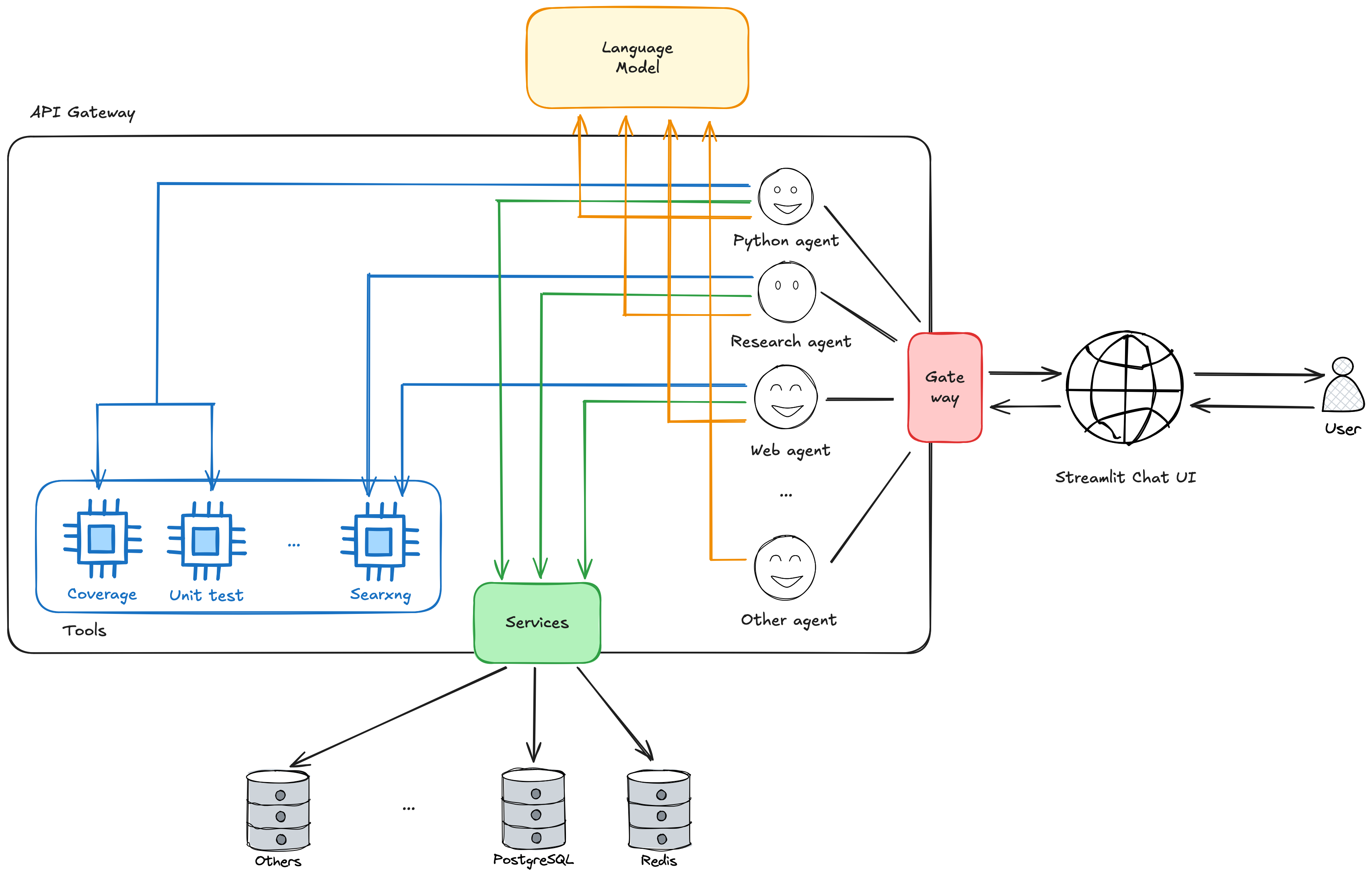
In this project I made an API gateway that allow users to interact with different agents. Here is the design:
Before starting, there are two things you should familiar with:
- Agent is a system that utilizes a language model to achieve its objectives
- Tool is a function that agents can use to interact with the external environments.
Note that I am not going to discuss what agents and tools can or can not do, but I am going to focus more on the system design as a whole.
Design
API Gateway
This component is where the agents and its tools reside. In order to reduce surface attack, agents are not exposed one by one by their IDs, and interactions can only made through the gateway. Similarly, the system interacts with the persistent volumes through services.
Chat UI
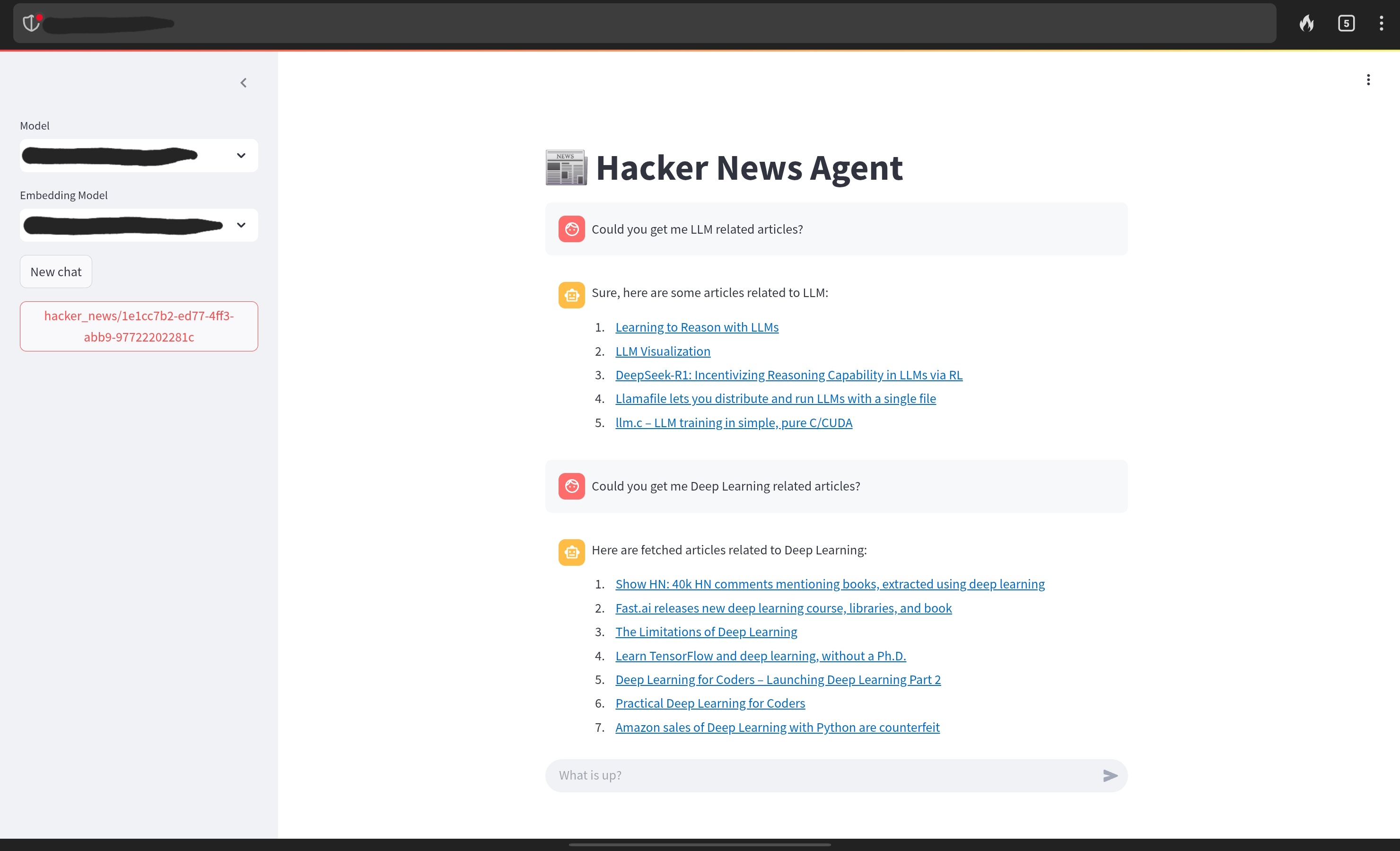
The chat interface is made with Streamlit for fast development. Users are allowed to send prompts, change language and embedding models, and access chat history from previous sessions through the UI.
Persistent Volumes
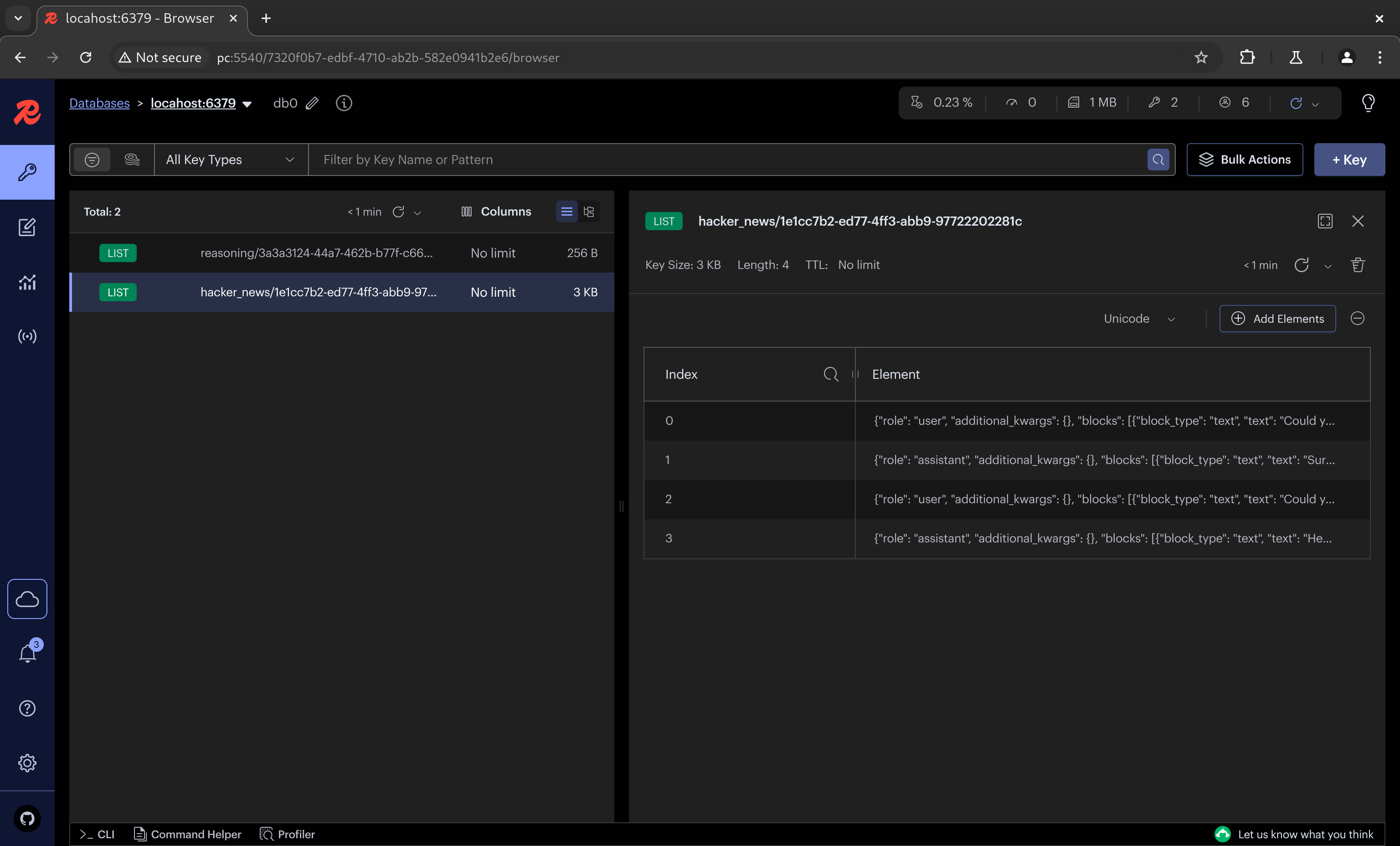
PostgresSQL is used to store documents and their vector embeddings, and Redis to store chat histories.
Since we understand what the system consists of, now let’s talk about the advantages and disadvantages of the design above.
Advantages
- Any additional components to the system will not affect the entire system.
- Tools are reuseable, and agents can have one or many tools in order to achieve their objectives.
- Creating a new agent and exposing it as an endpoint is easy.
Disadvantages
- Due to its modularity, there are many components should be maintained.
- Since there are too many components, the system is not easy to maintain.
- More and more developers required to maintain the system as the number of components increases.
- Tool creation can get highly complicated to meet business requirements.
Agents
Hacker News agent
Hacker News agent fetches one or a few articles similar to user prompts. This agent will provide a list of links so that users can click and read them immediately without any hassle.
Reasoning agent
Reasoning agent lays out a detailed, step-by-step reasoning argument based on the user’s input.
Web research agent
Web research agent goes on Seaxng, an open-source search engine, to find related links based on the result metadata and compile them in a list of related resources.
Arxiv RAG agent
Ariv RAG agent leverages hybrid search provided by Neo4j, where it combines the search results from the vector search and the graph search. Thus, it provides users more accurate document retrieval results that leads to better responses related to ArXiv papers.
GitHub agent
GitHub agent fetches certain repositories’s information using a custom-made GitHub tool.
Presentation agent
Presentation agent leverages the web search tool to gather required resouces and compiles important keypoints into presentation slides using the Marp extension from VS Code.
Web summarizing agent
Web summarizing agent fetches the content of one or many links, preprocess them, and summarise each site’s content as bullet points.
Wiki agent
Wiki agent fetches related wiki articles based on user queries.
Python agent
Python agent generates a Python function and its tests, executes them in an isolated environment, and compiles its coverage result.